
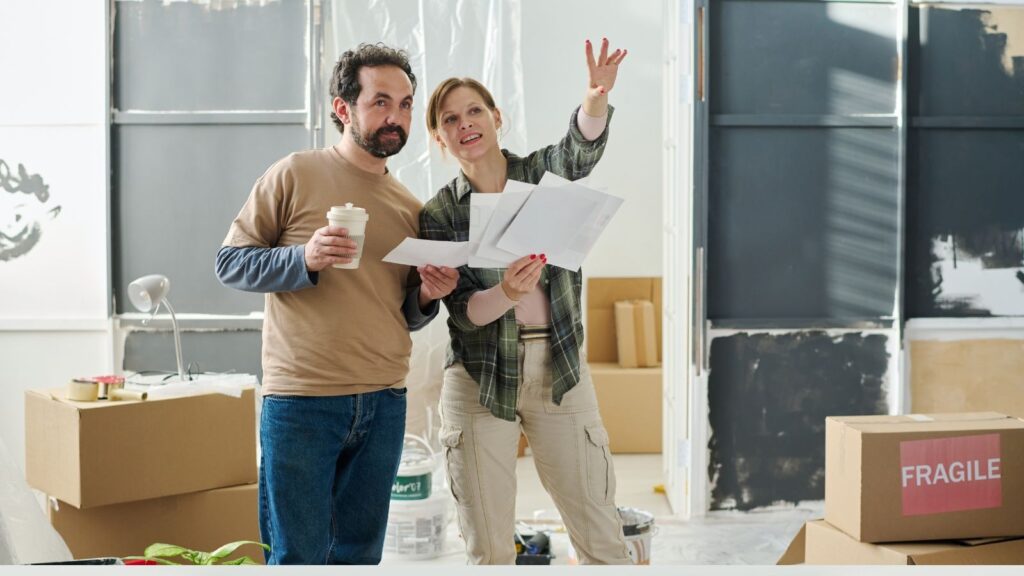
Home renovation today is less about chasing trends and more about making thoughtful upgrades that improve how a home performs, feels, and ages. Homeowners are increasingly informed, budget conscious, and interested in projects that deliver measurable returns in comfort, efficiency, and long term value. A well planned renovation respects the existing structure while addressing modern expectations around durability, maintenance, and livability.
The most successful renovation projects start with a clear understanding of priorities. Cosmetic upgrades can be satisfying, but structural integrity, moisture control, and building envelope improvements often deliver greater benefits over time. When renovation decisions are grounded in how a home actually functions, the results tend to last longer and cost less to maintain.
Start With the Exterior Before Moving Inside
The exterior of a home is its first line of defense. Siding, roofing, drainage, and surface conditions all influence what happens indoors. Renovation planning should always begin here.
Many homeowners underestimate how much buildup, organic growth, and surface damage can accelerate material wear. Before repainting, sealing, or replacing exterior components, it is often worth restoring surfaces to their original condition. In many renovation plans, this includes scheduling professional pressure cleaning services to remove contaminants that trap moisture and hide early warning signs of damage. When done correctly, this step helps extend the lifespan of finishes and improves the accuracy of any follow up repairs.
Exterior assessments should also include grading and drainage. Poor water flow around the foundation is a common cause of basement moisture issues, wood rot, and premature concrete deterioration. Addressing these conditions early can prevent costly interior renovations later.
Renovate With Building Science in Mind
Modern home improvement increasingly relies on building science principles. Renovations that ignore airflow, moisture movement, and thermal performance often create new problems while solving old ones.
Air sealing and insulation upgrades are among the most effective improvements a homeowner can make. According to data from the U.S. Environmental Protection Agency, sealing air leaks and improving insulation can significantly reduce energy loss while improving indoor comfort. Targeting attic penetrations, rim joists, and wall cavities during a renovation is far easier than attempting these upgrades later.
Moisture management is equally important. Kitchens, bathrooms, and basements are frequent renovation targets, yet they are also the most vulnerable to humidity related issues. Proper ventilation, vapor control, and material selection should guide design decisions. Tile, flooring, and drywall choices all affect how a space handles moisture over time.
Focus on High Impact Interior Renovations
Not all renovation projects deliver the same return. Homeowners benefit most from focusing on spaces that combine daily use with long term value.
Kitchens and Bathrooms
Kitchens and bathrooms remain central to renovation planning because they influence both livability and resale appeal. Thoughtful layouts, durable surfaces, and efficient storage often matter more than luxury finishes.
According to RaraRTACabinets, a cabinet manufacturer serving the U.S. market, homeowners planning kitchen refurbishments are increasingly prioritizing durable cabinet construction and flexible storage layouts that support long-term use.
Industry data from the Remodeling Magazine shows that midrange kitchen and bathroom renovations consistently recover a strong percentage of their cost compared to upscale remodels. Choosing materials that balance durability with visual appeal tends to produce better outcomes than chasing high end trends.
Basements and Utility Areas
Finished basements and upgraded utility spaces add functional square footage, but only when moisture risks are properly addressed. Renovating a basement without first managing water intrusion, humidity, and foundation condition can lead to costly failures.
Before finishing walls or installing flooring, homeowners should confirm that waterproofing systems, drainage, and ventilation are performing as intended. A dry, well controlled basement supports healthier indoor air and reduces strain on HVAC systems.
Choose Materials That Age Well
A renovation should look good on day one, but it should also perform years later. Material selection plays a major role in long term satisfaction.
Durability, maintenance requirements, and compatibility with existing assemblies all matter. For example, engineered flooring may outperform solid hardwood in areas with fluctuating humidity. Fiber cement siding often offers better resistance to moisture and pests than traditional wood products. Paint systems designed for breathability can reduce peeling and blistering in moisture prone areas.
Renovation success is often determined by how materials interact rather than how they look in isolation. Consulting product specifications and understanding installation requirements helps avoid premature wear and unexpected repairs.
Improve Energy Performance Without Overcomplicating
Energy efficiency improvements do not need to be complex to be effective. Simple upgrades often deliver meaningful results when integrated into broader renovation plans.
Replacing aging windows selectively rather than all at once can improve comfort while controlling costs. Upgrading HVAC controls and sealing ductwork often delivers faster payback than full system replacement. Adding insulation during open wall renovations minimizes labor duplication.
According to research published by Harvard’s Joint Center for Housing Studies, energy related improvements are among the most common and practical renovation investments for homeowners focused on long term affordability and comfort. Targeted upgrades reduce utility expenses while improving temperature consistency throughout the home.
Avoid Renovation Shortcuts That Create Future Problems
Shortcuts are tempting during renovations, especially when budgets are tight. Unfortunately, deferred fixes often resurface at higher cost.
Common mistakes include covering damaged surfaces instead of repairing them, ignoring minor leaks, and skipping proper surface preparation. These decisions may reduce upfront expense, but they frequently undermine the durability of finished work.
A disciplined renovation plan prioritizes invisible improvements alongside visible upgrades. Addressing structural soundness, moisture control, and substrate preparation creates a foundation for finishes that actually last.
Plan Renovations in Logical Phases
Whole home renovations are not always practical or necessary. Phased planning allows homeowners to spread costs while maintaining momentum.
Exterior improvements typically come first, followed by envelope upgrades, mechanical improvements, and finally interior finishes. This sequence protects completed work and ensures that systems support the spaces they serve.
Clear documentation, realistic timelines, and contingency planning reduce stress during phased renovations. When each project builds on the last, the home steadily improves without constant rework.
Renovation Is an Investment in Performance, Not Just Appearance
The most rewarding home renovations are those that improve how a home works every day. Comfort, durability, indoor air quality, and maintenance ease matter as much as visual appeal.
By starting with the exterior, respecting building science, choosing resilient materials, and planning upgrades strategically, homeowners can achieve renovations that deliver lasting value. When decisions are guided by function rather than fashion, the result is a home that performs better, costs less to maintain, and supports daily life more effectively for years to come.