
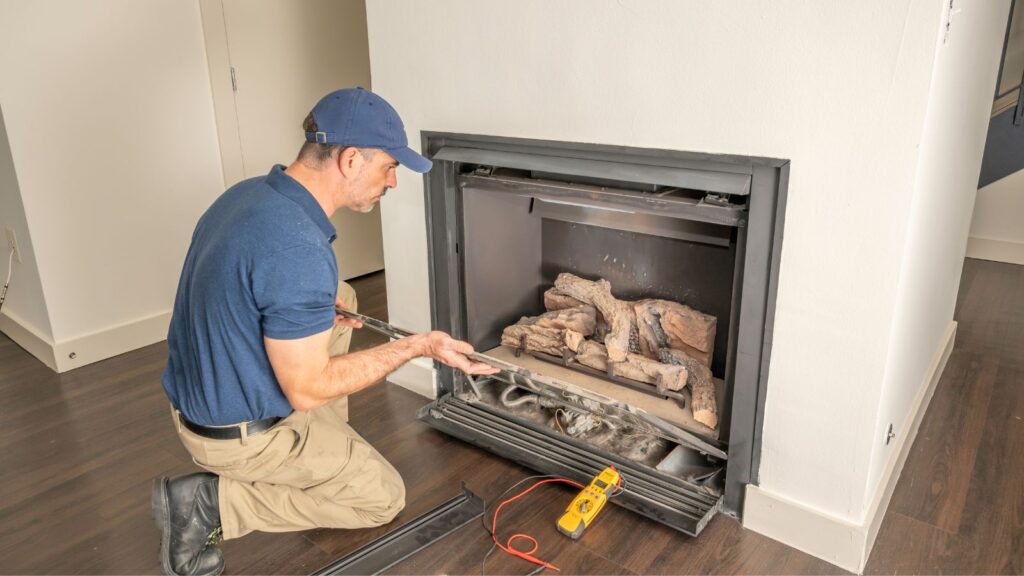
A gas fireplace is meant to be a dependable source of warmth and comfort, especially during colder months. When the pilot light will not ignite, it can quickly become a source of frustration and concern. While some ignition issues are minor, others point to problems that should not be ignored. Understanding why a pilot light fails to ignite helps homeowners know when a simple fix may be possible and when professional service is the safer choice.
In many situations, pilot light problems are connected to maintenance gaps, component wear, or issues related to the original gas fireplace installation. Addressing the cause early can prevent further damage and reduce safety risks.
Common Reasons a Pilot Light Will Not Ignite
Pilot lights rely on a steady gas flow, proper airflow, and functional safety components. If any part of that system is compromised, ignition may fail.
A frequent issue is debris buildup. Dust, soot, and household debris can clog the pilot assembly over time, restricting gas flow and preventing ignition. This is common in fireplaces that have not been used regularly or have not been serviced in several seasons.
Another common cause is a worn or faulty thermocouple or thermopile. These components are designed to sense heat from the pilot flame and signal the system that it is safe to stay lit. If they are damaged, misaligned, or no longer responsive, the pilot may fail to ignite or may not stay lit after ignition. During proper gas fireplace installation, these parts are carefully positioned, but normal wear can affect performance over time.
Gas Supply and Pressure Concerns
Gas supply issues are another reason a pilot light may not ignite. A partially closed gas valve, pressure fluctuations, or interruptions in the gas line can prevent enough fuel from reaching the pilot assembly.
Homes that have recently undergone renovations, appliance changes, or gas service adjustments may experience temporary disruptions. In some cases, improper gas pressure settings during an earlier gas fireplace installation can contribute to ongoing ignition issues.
If you suspect a gas supply problem, it is important not to attempt adjustments yourself. Gas systems require professional handling to ensure safety.
Ventilation and Airflow Problems
Blocked Vents and Dampers
Gas fireplaces require proper ventilation to function safely. If the venting system is blocked by debris, nesting animals, or buildup, airflow can be restricted. This lack of airflow may prevent the pilot light from igniting or cause it to extinguish shortly after lighting.
Closed or malfunctioning dampers can also interfere with ignition. Proper gas fireplace installation accounts for ventilation requirements, but conditions can change over time, especially after storms or seasonal shifts.
Negative Air Pressure in the Home
Modern homes are often tightly sealed for energy efficiency. While this is beneficial in many ways, it can sometimes create negative air pressure that affects gas appliances. Bathroom fans, kitchen range hoods, and other exhaust systems can draw air away from the fireplace, making ignition more difficult.
In these cases, airflow adjustments or system modifications may be needed to restore proper balance.
Ignition System and Electrical Issues
Many newer gas fireplaces rely on electronic ignition rather than a standing pilot light. When ignition fails, the issue may be electrical rather than mechanical.
Dead batteries in remote controls or ignition modules are a common and easily overlooked problem. Faulty wiring, worn switches, or failed control boards can also prevent the spark needed to ignite the pilot.
Older systems may lack modern safety features or efficient ignition components. In some situations, upgrading through a new gas fireplace installation provides improved reliability and easier operation.
Why Installation Quality Plays a Critical Role
Poor Installation Leads to Ongoing Problems
A significant number of pilot light issues can be traced back to improper installation. Incorrect gas pressure, poor component alignment, or shortcuts taken during setup can cause recurring ignition problems.
Professional gas fireplace installation ensures that all components are installed according to manufacturer specifications and safety standards. This reduces the likelihood of ignition failure and improves overall system performance.
Long-Term Performance Depends on Proper Setup
Even a high-quality fireplace can underperform if the installation was rushed or incomplete. Proper venting, gas line sizing, and safety testing are essential. Homeowners experiencing repeated pilot light failures should consider whether the original gas fireplace installation met current standards.
When to Stop Troubleshooting and Call a Professional
Safety Always Comes First
If you smell gas, hear hissing, notice soot buildup, or see unusual flame behaviour, stop attempting to ignite the pilot immediately. These signs may indicate a gas leak or combustion issue that requires professional attention.
Never attempt to modify gas lines, valves, or internal components on your own. A certified technician can safely diagnose the issue, perform repairs, or recommend replacement if the system is no longer reliable. In some cases, investing in a modern gas fireplace installation is the safest and most cost-effective long-term solution.
Preventing Future Pilot Light Issues
Routine maintenance is one of the best ways to prevent ignition problems. Annual inspections allow technicians to clean components, test safety systems, and identify wear before it leads to failure.
Homeowners who prioritize professional gas fireplace installation and ongoing servicing often experience fewer breakdowns and more consistent performance. Proper care extends the lifespan of the fireplace and ensures it operates safely when you need it most.
A pilot light that will not ignite is more than an inconvenience. It is a signal that something within the system needs attention. By understanding the causes and knowing when to call a professional, homeowners can protect their comfort, safety, and investment for years to come.