

British manufacturing and design relies heavily on materials that can survive where traditional options fail. While standard polymers serve everyday purposes, industrial environments demand something more robust. These specialised materials offer the thermal stability and chemical resistance required for demanding technical applications. From heavy machinery to intricate medical devices, the shift toward these advanced components reflects a broader commitment to precision and longevity in modern engineering.
Across the United Kingdom, sectors ranging from food processing to aerospace are increasingly moving away from metals in favour of lightweight, high-strength alternatives. This transition isn’t merely about weight reduction. It’s about finding solutions that withstand extreme friction and corrosive environments without constant maintenance. Understanding the specific properties of these materials helps professionals select the right grade for their unique operational challenges.
The following article examines the technical characteristics and practical uses of these essential industrial components, so make sure you stay with us until the very end.
Defining High-Performance Polymers
Engineering plastics differ from commodity plastics because they maintain their physical properties under stress. These materials often replace metal components in gear systems, bearings, and structural housings. Manufacturers value them for their high strength-to-weight ratio and their ability to operate at temperatures that would warp or melt standard alternatives.
The diversity of these materials allows for specific tailoring to an environment. Some grades prioritise electrical insulation, while others focus on impact resistance or food-grade safety compliance. In the UK’s rigorous manufacturing sector, using engineering plastics by Simply Plastics ensures that components meet the necessary British standards for durability and performance. These materials provide a reliable foundation for complex mechanical systems across various fields.
Common Materials and Their Capabilities
Several key materials dominate the UK market due to their versatile nature.
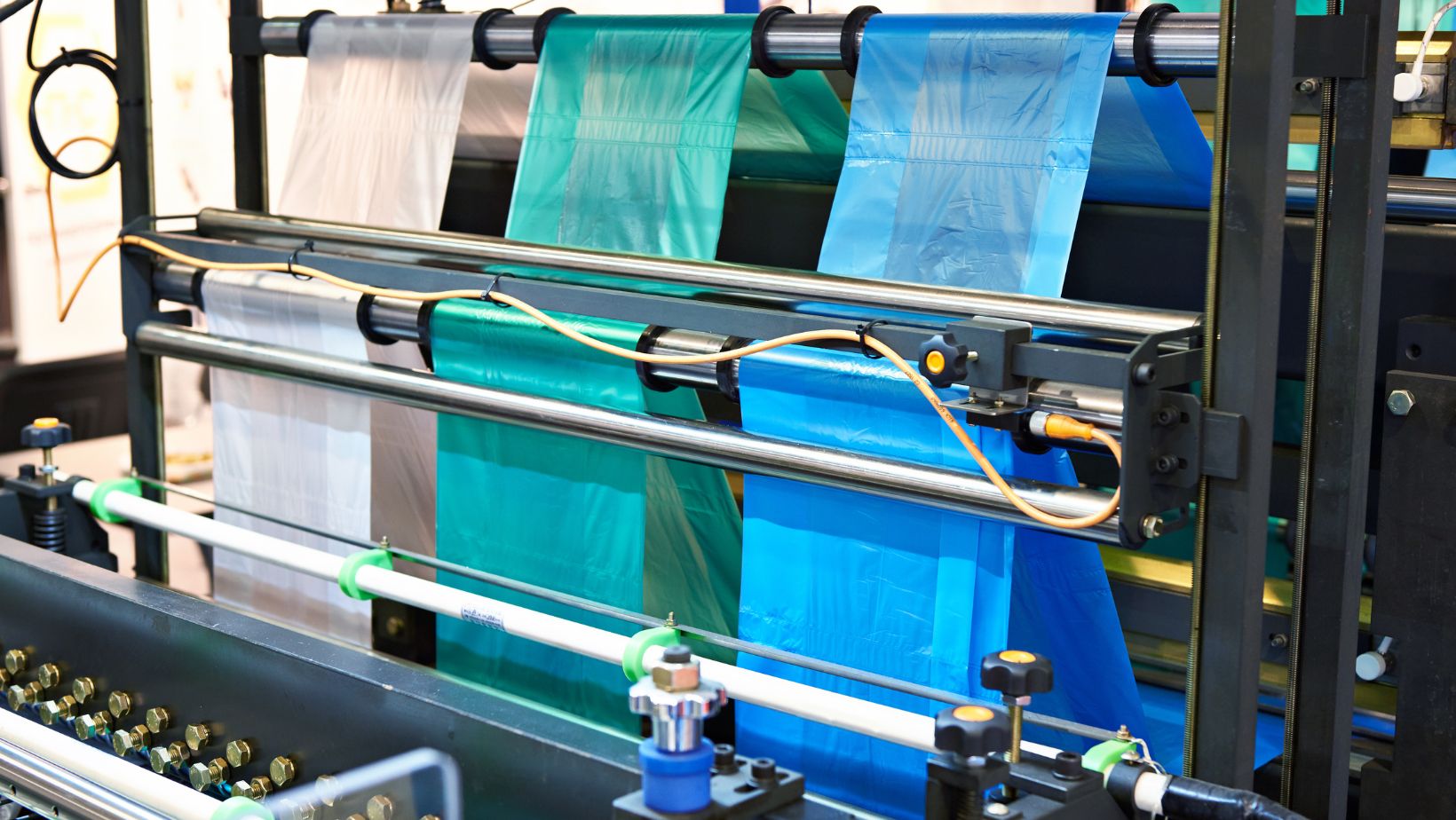
Each offers a unique profile of strengths that suit different mechanical requirements.
- Acetal (POM): Known for high stiffness and low friction, it’s ideal for precision parts like gears and valves.
- Nylon (PA6/PA66): This material provides excellent wear resistance and is often used for bushes, rollers, and pulleys.
- Polyethylene (HDPE/UHMW): These offer superb chemical resistance and are frequently found in conveyor systems and food preparation surfaces.
- Polypropylene (PP): A lightweight option that resists fatigue, making it suitable for chemical tanks and laboratory equipment.
Wear and Friction Management
Low friction is a primary requirement for moving parts. Using materials like Acetal or Nylon reduces the need for external lubrication, which is a significant advantage in “clean” industries like pharmaceuticals. These plastics naturally resist abrasion, meaning they’ll last longer even when they’re subjected to constant movement. This longevity helps businesses reduce downtime and lower the costs associated with replacing worn-out metal parts.
Chemical and Thermal Stability
In environments where harsh cleaning agents or high temperatures are common, standard materials can degrade quickly. High-performance plastics are engineered to remain stable when they’re exposed to acids, alkalis, and oils. This makes them indispensable for the UK’s chemical processing and automotive sectors. They can withstand the heat of an engine bay or the aggressive sterilisation cycles of a hospital without losing their structural integrity.
Applications in UK Industries
The versatility of these materials means they’re found in almost every corner of the British economy. In the retail and exhibition sectors, they provide durable signage and display solutions. Meanwhile, in construction and sign-making, their weather resistance ensures that installations remain intact despite the unpredictable British climate. Architects and builders often prefer these plastics because they’re easier to handle and install than traditional masonry or heavy metals.
Education and public sector projects also benefit from these materials. Schools and hospitals require surfaces and components that are both hygienic and tough. Because many engineering plastics are easy to clean and can be manufactured with antimicrobial properties, they help maintain safety standards in high-traffic environments. Their ability to be cut to size and fabricated into complex shapes makes them a favourite for bespoke design projects.
Key Takeaways
The continued development of engineering plastics will play a significant part in the future of UK manufacturing. As industries seek more sustainable and efficient ways to build, these high-performance materials offer a path forward.
They provide the reliability that engineers need while offering the flexibility that designers crave. By choosing the right material for the job, British businesses can ensure their projects are built to last and capable of meeting the challenges of tomorrow.