
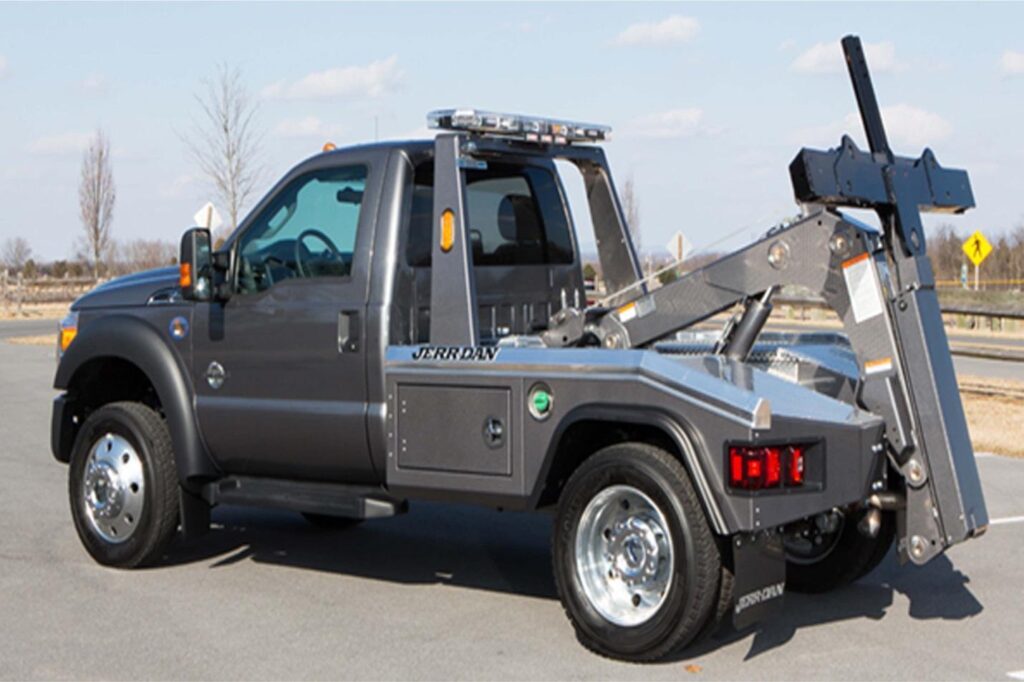
Light-duty tow trucks are often the backbone of towing businesses. This is the vehicle you may want to send to roadside calls, routine breakdowns, accident scenes, as well as local vehicle transport. Therefore, you absolutely want it to be dependable enough for daily use, as well as practical for those busy streets. Furthermore, you want it to be capable enough to handle the vehicles that your customers will call about most often.
You most likely already understand the importance of these vehicles. What you want to do now, thus, is learn how to buy the right Light-Duty Tow Trucks for your business. Making the right buying decision is sure to help you complete more jobs much more efficiently, as well as build a stronger reputation. If you buy the wrong one, though, that can result in quite some issues, such as capacity limits, unnecessary repairs, as well as calls that you have to turn away.
So, you are here to learn how to make the right buying decision. And we are here to help with that. Keep on reading to find out about the things you have to consider when buying light-duty tow trucks. Then use those tips during your shopping process to make the best purchase for yourself.
1. The Jobs You Handle the Most Matter
You should begin this process by looking at those calls that your business is already receiving. Most light-duty tow trucks are used for pickups, passenger cars, small SUVs, motorcycles, and similar vehicles. Yet, the exact mix of work matters, so you have to think about it.
Apart from that, you should also think about the calls that you are currently turning away, but that you would like to accept. If you are planning on expanding, the truck you buy has to support that goal. In short, a light-duty truck is definitely a long-term investment, so it has to fit both your current workload and your future plans.
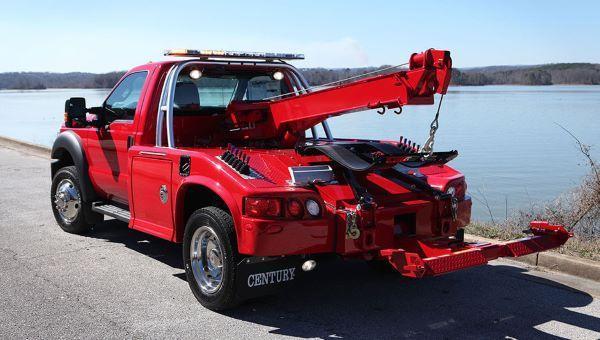
2. Consider Towing and Lifting Capacity
You should not assume that all light-duty tow trucks can handle pretty much any passenger vehicle. Modern trucks and SUVs, for example, can be much heavier than you would expect, which led to an interesting debate about road weight limits that you can read about at https://www.reuters.com/business/autos-transportation/ev-sales-grow-battle-over-road-weight-limits-heats-up-2022-10-05/. The point is, thus, that you shouldn’t assume, and you should, instead, check.
Check the ratings for the wheel lift, winch, boom, bed, and chassis. Let the seller explain what those ratings mean in real situations. The capacity can change depending on things like the reach of the boom, the position of the wheel lift, as well as the way the vehicle is loaded. Furthermore, considering the vehicle length is also important, because a truck could have enough lifting power and still not be suitable for towing some vehicles if their length creates clearance problems.
3. Consider New or Used
Another important decision to make here is whether you want to go for a new or a used light-duty tow truck. Both come with their own advantages. A new one offers modern features, full warranty, and a known starting point when it comes to maintenance. On the other hand, a used one can cost less upfront and thus allow you to add another unit to your fleet much sooner.
If you decide to for a used one, you should inspect it thoroughly before buying. Ask for accident history, maintenance records, repair details, and info about how the truck was previously used. If it is an option, make sure to also have a qualified technician inspect the truck for you before you buy it. That can help identify any kinds of problems before they become your responsibility.
4. Don’t Forget the Safety Features
Towing is definitely demanding work. Your truck should help your operators perform it quite safely. This is why you should check the safety features and look for equipment that improves stability, control, and visibility. Depending on the type of the truck, some useful features can include warning lights, safety chains, backup cameras, wheel straps, traffic-control storage, and similar. This is how tow truck works, if you’re curious.
5. The Supplier Is Important
Choosing the right supplier is just as important as choosing the right truck. Put simply, the supplier you choose is sure to have a major effect on your entire ownership experience. This is why you always want to go for a reputable seller that understands towing equipment thoroughly, and that can explain the differences between truck setups, instead of pushing you towards the most expensive option.
So, research the suppliers before doing your shopping. Check their experience and their reputation. Then, get in touch, assess communication, and inquire about after-sale support. Finally, compare the trucks they are selling, and the prices, and then make your final buying decision, keeping all the other mentioned factors in mind.