
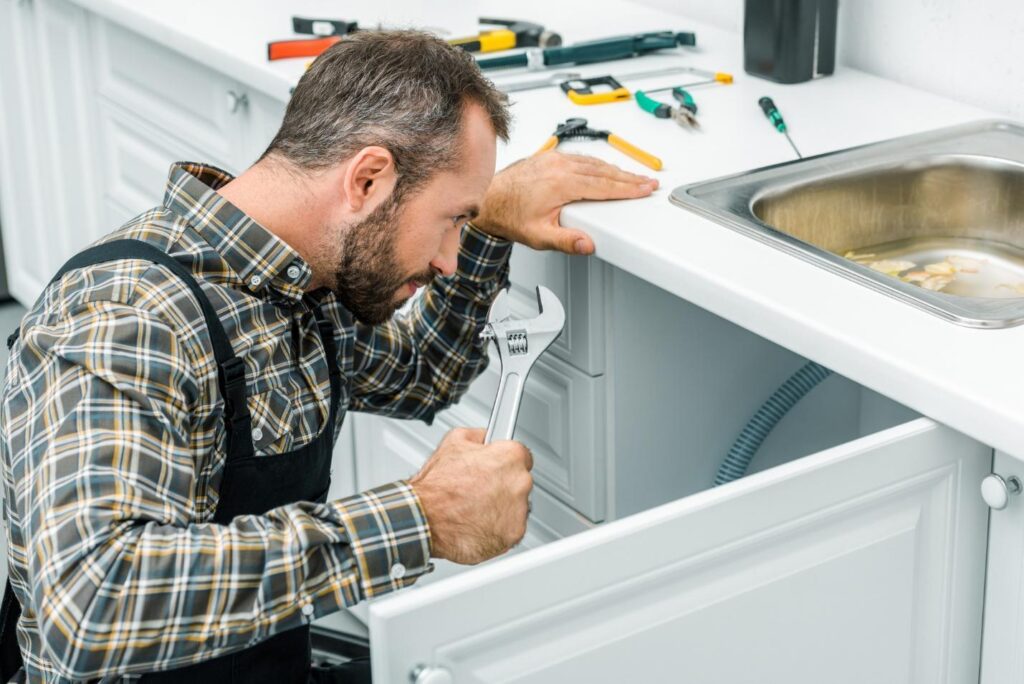
Sewer lines carry wastewater away from homes, so issues within these buried pipes can be felt by residents almost immediately. Some problems can gradually appear, and since most of the system is located underground, the damage may continue developing after the homeowners in Albuquerque realize that something is wrong. Even a minor obstruction can develop into a complete blockage, causing toilet backups if left alone.
Many homes have different materials for sewer pipes, and some of them can be made up of PVC while others rely on copper tubing. Each of them has a different service life, but some are more susceptible to corrosion, and the older lines are more likely to develop defects that can’t be corrected by homemade solutions like vinegar and baking soda.
Knowing these early warning signs can help homeowners have time to arrange an inspection from the professionals before the wastewater can seep outside the pipes. If you’re looking for a plumber in Albuquerque NM, you can contact these experts so they can recommend the best repair options available to homeowners.
Sunshine Plumbing & Heating
257 Juan Tabo Blvd NE Albuquerque, New Mexico 87123
505-296-3188
https://www.sunshineplumb.com/
Signs that One Needs to Get Their Plumbing Checked
Several Drains Are Moving Too Slow
A slow sink doesn’t automatically point to a damaged sewer line, and the problem may be limited to trapped residues inside the fixture’s drains. However, when homeowners begin to notice that the showers are also emptying slowly at the same time, the restriction can often come from the main line.
Water from different faucets eventually flows into the same underground pipe, and a blockage in this shared pipe can interfere with the drainage across the property. Adding chemical products may result in temporary drainage, but the issue can come back because of a severely deteriorated line. Repeatedly using harsh chemicals can also corrode some areas of the pipes, so they’re not usually advisable. See more about drain cleaner chemicals when you click here.
Clogs Keep Coming Back
Occasional blockage due to large debris can occur in many households in Albuquerque, but it’s a different story when the clogs are recurring. When the drain works normally after cleaning it but becomes blocked again shortly, the material can be collected around an offset joint that’s already part of a pipe’s damaged section.
Hydro jetting can be a great solution since it can remove grease when a pipe is structurally sound. This process utilizes high-pressure water to clean the interior walls of the pipe more thoroughly, and if the inspection reveals cracks, the affected section may need replacement before it gets worse.
Fixtures Make Gurgling Sounds
When there’s gurgling coming from a toilet, it usually means that the air is struggling to move through the drainage system. This is because wastewater often travels through the pipe along with adequate airflow, and when there’s a narrow passage, the trapped air may bubble through nearby sinks, creating unusual noises.
Homeowners should pay attention when they’re flushing a toilet and see if this causes the bathtub to gurgle. These interactions that seem to connect may suggest that the problem can extend beyond a single branch, and proper diagnosis by an expert plumber can prevent this restriction from progressing into a sewage backup (https://www.nashuanh.gov/1513/What-Causes-A-Sewer-To-Backup).
Unpleasant Odors Appear Indoors or Outside
A properly functioning sewer system contains wastewater and gases, but when they escape on exposed pipes, the homeowners may notice persistent foul odors, specifically near the drains. It can be an indication that waste is trapped or it’s escaping through a hole in the pipe.
Dry drain traps can sometimes allow gases into a room, and the isolated smell doesn’t automatically constitute an underground failure. However, when the odors return after a simple cause has been ruled out, it can often require further investigation through a camera inspection to avoid relying on guesswork.
The Yard Has Wet or Unusually Green Areas
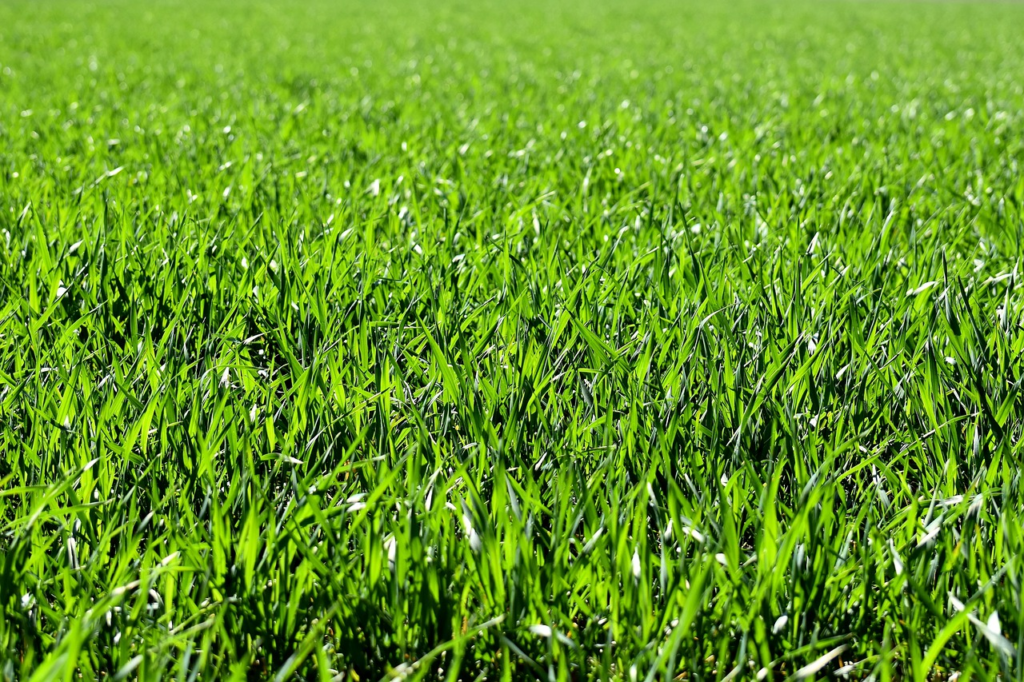
New damp spots can develop when leaking lines are releasing water beneath the yard. This can mean that the ground could feel soft even if the weather is hot. Grasses often grow faster because some of the wastewater supply adds nutrients to the plants.
Some may overlook these changes when the damaged pipe is far from the house but know that continued leakage can wash away soil and create unstable ground.
The Sewer Line Is Old
Pipes can deteriorate even if the symptoms don’t appear at first. Those that are made up of cast iron may develop a rough interior, while others can collapse as they age. Clay sections can also crack, and they allow roots to penetrate the pipes when searching for moisture.
Homeowners who do not know the age or material of their sewer line may benefit from an inspection, particularly before remodeling an older property. Understanding its condition can make it easier to plan repairs instead of reacting to an unexpected failure.