
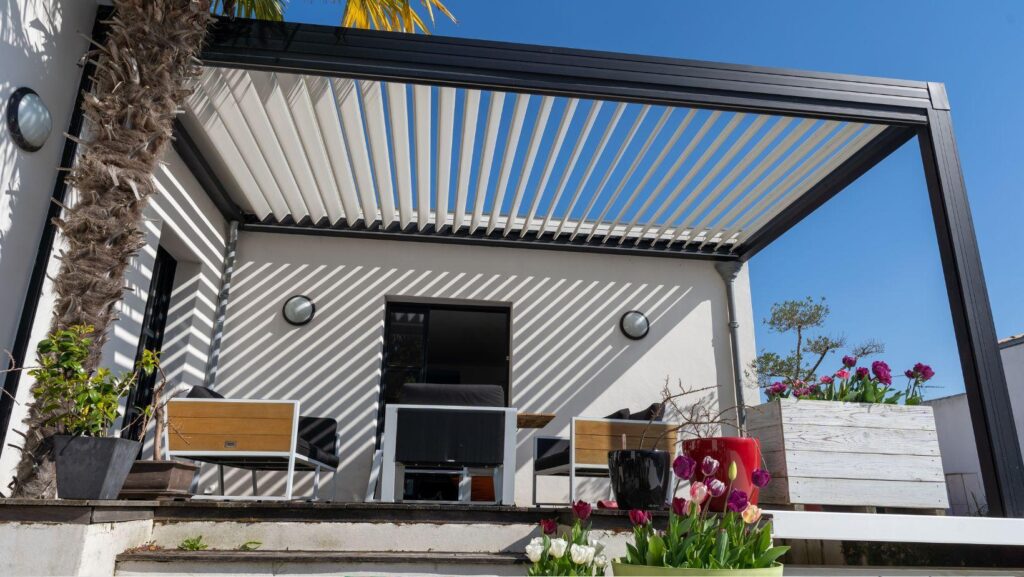
Material choice for a pergola affects far more than initial appearance — it shapes the entire long-term maintenance relationship a homeowner will have with the structure for years after installation. Aluminum and wood represent two of the most common options, each with a genuinely different maintenance profile.
Wood's Classic Appeal and Ongoing Upkeep
Wood pergolas offer a warm, natural aesthetic that many homeowners prefer, but they require regular maintenance to preserve that appearance and structural integrity — periodic staining or sealing, inspection for rot or insect damage, and more frequent attention in humid or rainy climates where wood degradation happens faster.
Aluminum's Low-Maintenance Trade-Off
Aluminum pergolas require significantly less ongoing maintenance, resisting rot, insect damage, and warping that wood structures are prone to over time. Occasional cleaning is typically sufficient to keep an aluminum pergola looking presentable, without the periodic staining or sealing wood requires.
Comparing Long-Term Durability
Well-maintained wood pergolas can last many years, but that longevity depends heavily on consistent upkeep. Aluminum pergolas generally offer more consistent long-term durability with less dependence on ongoing homeowner maintenance, making them a more predictable long-term investment for homeowners who prefer not to factor in recurring upkeep tasks.
Cost Considerations Beyond the Initial Purchase
Wood pergolas sometimes carry a lower upfront cost than comparable aluminum structures, but the cumulative cost of periodic staining, sealing, and occasional repairs over many years can narrow or even reverse that initial cost advantage. Aluminum's higher upfront cost is offset by minimal ongoing maintenance expense.
Aesthetic Considerations and Design Flexibility
Wood offers a natural warmth that some homeowners feel aluminum can't fully replicate, though modern aluminum pergolas increasingly offer wood-look finishes that narrow this aesthetic gap considerably. Aluminum also tends to offer more design flexibility for integrated features like retractable louvers or built-in lighting, since the material handles precision engineering more consistently than wood.
Making the Right Choice for Your Priorities
The right material ultimately depends on how much ongoing maintenance a homeowner is willing to commit to versus how much they value wood's natural aesthetic. Homeowners weighing aluminum pergola companies against traditional wood options, including builders like ROLLerUP, tend to benefit from being upfront with contractors about their maintenance tolerance, since that single factor often determines which material is the better long-term fit more than any other consideration.
Both materials can deliver an attractive, functional pergola; the meaningful difference lies in how much ongoing attention the homeowner is prepared to invest over the structure's lifespan.