
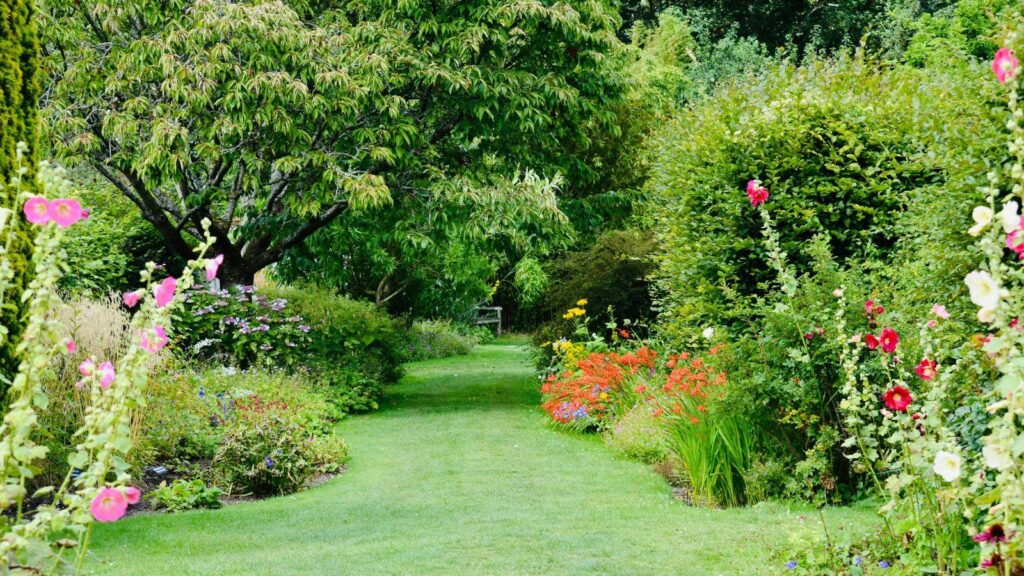
Transforming an overgrown or outdated garden can make a property feel completely different. A successful renovation might involve removing old landscaping, building paths, installing fencing, creating planting areas, and introducing new spaces for entertaining. Because larger landscaping projects often involve machinery, deliveries, contractors, and multiple people moving around the property, hi vis safety vests can be useful for improving visibility when working around active project areas.
Begin With How You Want to Use the Garden
Before choosing plants or paving materials, think about how the garden needs to function.
Different homeowners may want completely different things from the same amount of space.
You might want:
- An outdoor dining area
- Space for children to play
- Vegetable beds
- A low-maintenance garden
- An outdoor kitchen
- A workshop or shed
- More privacy
Deciding on the purpose of the space helps guide every later decision.
Divide the Garden Into Zones
Larger gardens often work better when they’re divided into several functional areas.
For example, you could create:
- A patio near the house
- A lawn in the centre
- Planting beds around the perimeter
- A seating area farther into the garden
- A storage section for tools
Creating distinct zones can make even a relatively simple garden feel carefully designed.
Decide What Can Stay
A garden renovation doesn’t necessarily require removing everything.
Existing mature trees, healthy shrubs, walls, pathways, or established plants may already provide valuable structure.
Before demolition begins, identify what you want to:
- Keep
- Relocate
- Repair
- Remove
Working with existing features can reduce both costs and unnecessary work.
Complete Heavy Work First
Landscaping projects are much easier when tasks happen in the right order.
Structural and messy jobs should generally be completed before delicate planting and finishing work.
These could include:
- Removing old paving
- Excavation
- Drainage work
- Building retaining walls
- Installing fencing
- Constructing decks
- Creating pathways
There’s little value in creating beautiful planting beds only to damage them later while moving construction materials.
Plan Drainage Carefully
Water management is one of the less exciting parts of garden design, but it’s also one of the most important.
Poor drainage can create:
- Waterlogged lawns
- Muddy pathways
- Damaged planting
- Standing water
- Problems near foundations
Observe where water naturally travels during heavy rain before making major changes to the landscape.
Professional advice may be appropriate when drainage issues affect buildings or neighbouring properties.
Choose Plants for the Conditions
Don’t select plants based purely on appearance.
Consider the actual conditions within your garden, including:
- Sunlight
- Shade
- Soil type
- Drainage
- Local climate
- Available maintenance time
A beautiful plant in the wrong location can quickly become difficult to maintain.
Create a Garden You Can Realistically Maintain
Elaborate landscaping may look impressive immediately after installation, but think about how much work you’re prepared to do six months later.
Low-maintenance strategies can include:
- Larger planting groups
- Mulched beds
- Perennial plants
- Automated irrigation
- Durable paving
- Clearly defined lawn edges
A garden should enhance your lifestyle rather than become a constant source of unfinished jobs.
Consider Lighting
Outdoor lighting can transform how the garden feels after sunset.
It can also improve visibility around:
- Steps
- Pathways
- Decks
- Entrances
Decorative lighting can highlight trees, walls, and architectural features.
Electrical installations should be suitable for outdoor environments and completed according to applicable requirements.
Don’t Rush the Finishing Stage
Once construction work is complete, take time with the smaller details.
Consider adding:
- Outdoor furniture
- Planters
- Decorative pots
- Cushions
- Garden lighting
- Privacy screening
These elements give the finished garden personality and make different areas feel inviting.
Final Thoughts
A successful garden transformation begins with planning rather than planting. Think about how you want to use the space, complete structural work first, address drainage, and select landscaping that suits both the environment and your lifestyle.
Whether you’re completing smaller jobs yourself or bringing in professional landscapers for major construction, approaching the renovation in stages can turn even a neglected backyard into a practical and enjoyable extension of the home.