
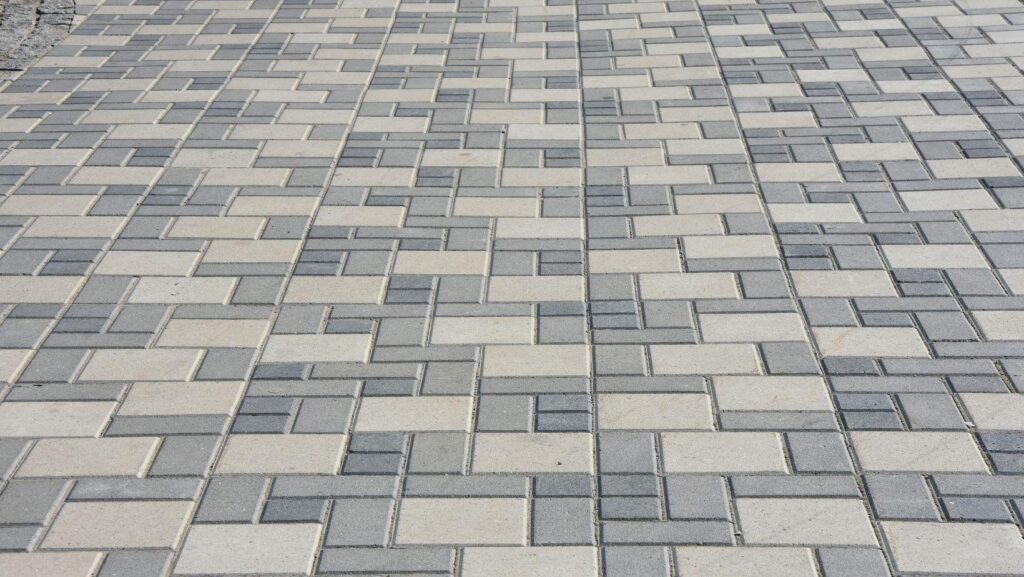
Blending stone slabs with tile is an effective way for designers to create depth, contrast, and visual interest in modern interiors. Rather than relying on a single material, layered spaces incorporate a combination of textures, patterns, and finishes to achieve a more custom, high-end look. This approach is all about balance – utilizing large-format slabs to provide continuity and elegance, while interspersing tile to add detail and personality. When integrated together thoughtfully, the result feels cohesive and intentional rather than chaotic and overwhelming.
Why Layering Materials Works
Designers often mix slabs and tile to break up sizable surface areas and prevent spaces from feeling flat or one-dimensional. Slabs typically work well for countertops, waterfall islands, and full-height backsplashes or wall features, while tile is used more for floors, accents, or complementary surfaces. Some key benefits of mixing materials are:
- Creating visual contrast between smooth and textured finishes
- Defining various zones within a large, open space
- Adding scale variation through large and small formats
- Allowing for more customization and personalization in design
Incorporating a deliberate mix of materials helps create focal points and support them with supplementary details.
Pairing Slabs and Tile Successfully
The most successful designs focus on cohesion, even (or especially) when materials differ. Designers typically start with a prominent element, such as the slab, and build the rest of the design around it. Consider these strategies when mixing materials:
- Match undertones: Make sure that both materials share either warm or cool undertones to avoid clashing.
- Limit competing patterns: If the slab has bold veining, then choose a simple tile, whereas an understated slab could support a tile with more pattern.
- Coordinate finishes: Polished slabs pair well with glossy tiles, while honed surfaces often look better with matte finishes.
- Use color repetition: Pull accent colors from the slab into the tile design to prevent an overabundance of conflicting colors.
The important thing to remember is that the textures, colors, and patterns across materials should blend well together without competing for attention.
Where to Mix Slabs and Tiles
Layering isn’t limited to just kitchens – designers utilize this approach throughout the home and in other settings to create consistency and visual interest. Additional areas that can benefit from mixing slabs and tiles include:
- Bathrooms
- Fireplaces
- Feature walls
- Outdoor spaces
- Commercial environments
Using a combination of materials helps elevate everyday places into more refined and custom spaces.
Designing Spaces That Feel Intentional
The difference between a cohesive layered design and one that looks mismatched ultimately comes down to planning. Designers often compare multiple slab and tile options side by side before making final selections, ensuring that the materials complement each other in both color and scale. Taking the time to evaluate textures, finishes, and tones in person not only allows for better decision making throughout the project, but provides a more polished final result. When done well, mixing slabs and tiles creates a space that feels curated, balanced, and distinctly high-end.